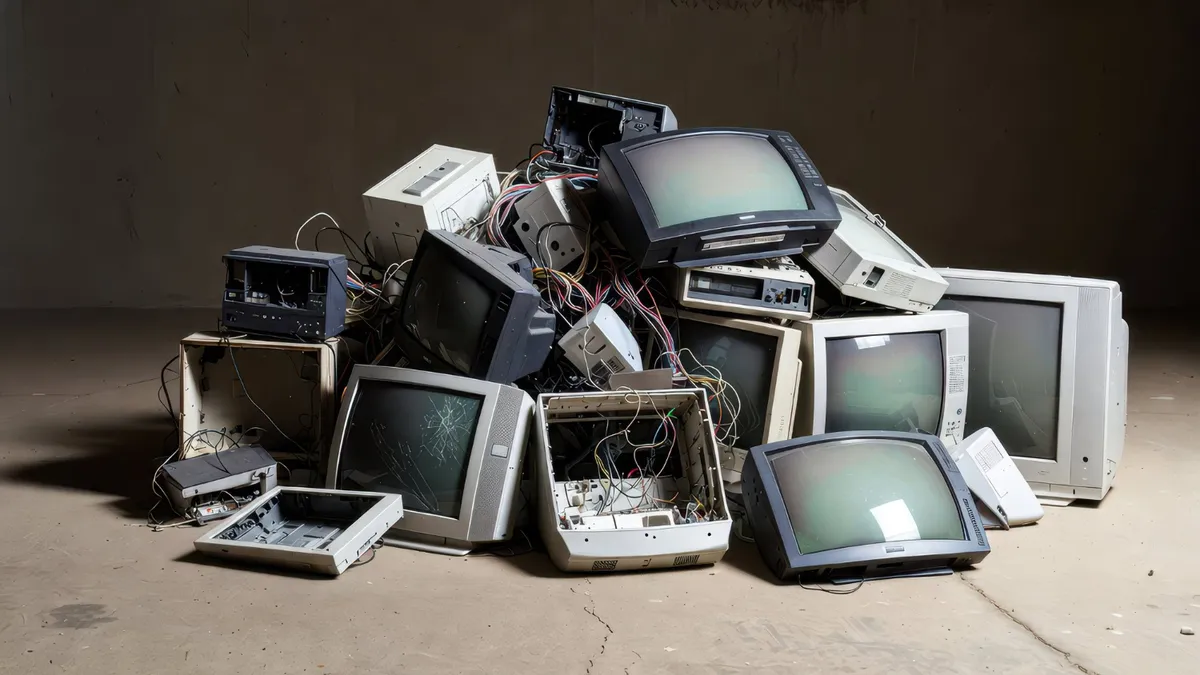
How Recycling a TV Helps Protect the Environment
Fall is when a lot of unwanted items start coming out of basements, garages, and spare rooms. It’s the season for cleaning out and getting things in order before winter really hits in places like Medina, Ohio. Among the random piles of stuff, old TVs show up often. And most people are not exactly sure what to do with them.
Throwing a TV in the trash might seem like the simplest option, but it puts a lot more at risk than just space in a bin. Disposing of electronics this way can send harmful materials into the ground, air, and water. When we recycle a TV the right way, we help prevent that. It might seem like just one small action, but it’s a step that helps stop pollution before it spreads deeper.
Why Old TVs Can Be Harmful if Thrown Away
Getting rid of an old TV the wrong way doesn’t just take up space. Many contain parts that don’t belong anywhere near a landfill.
Some older screens include lead, a heavy metal that creates health issues long after it hits the ground
Mercury and flame-resistant chemicals used in certain models can leak if they sit too long in the open
The plastic, metal, and glass don’t break down like paper or food waste and can stay buried for decades
When TVs are tossed out with regular trash, those harmful parts don’t just go away. They can end up in water supplies or nearby soil. Over time, those leftover chemicals build up. It becomes harder to clean and can affect the local area in ways most people don’t even see.
Piles of old electronics grow fast when people start skipping recycling. A fall cleanout might seem like a one-time thing, but the effects stick around much longer.
What Really Happens When You Recycle a TV
Recycling a TV isn’t as simple as hauling it to the curb, but what happens after you hand it off makes a big difference.
The unit is first sent to a special facility where it’s carefully taken apart
Workers wear gloves and protective gear to handle screens, wires, and circuit boards the right way
Plastics, metals, and reusable parts are sorted out and sent to places where they’ll become something new
Some of the glass from a TV screen might go into making tiles or bottles. Old wiring often ends up in new products like phones, tools, or car parts. Recycling like this keeps dangerous stuff out of nature but also keeps useful items out of landfills.
Fall is a better time than most to think about recycling. When the ground freezes or snow starts piling up, leaks and spills are harder to catch. Any materials that crack or break open in the cold can move into the water way faster. So when we recycle ahead of winter, we’re helping stop unseen damage before it starts.
The Impact of Fall TV Cleanouts on Landfills
October is when people around Medina, Ohio, get serious about final cleanup. Holiday decorations are coming out soon. Garage space gets tight. Some are prepping for winter, and others are just clearing out what didn’t get handled in spring.
That’s when TVs start showing up on driveways, wrapped in cords or shoved next to broken furniture. One or two might not sound like a big deal, but when a whole town unloads their electronics, things change fast.
Landfills get backed up with batches of electronic waste when there’s no effort to sort it
Workers at transfer stations are not always trained or equipped to handle lead-heavy screens
The weight of larger electronics adds up, making it harder to manage everything safely
Recycling one TV doesn’t fix the whole problem, but it lowers the footprint of a household doing their part. When even a few more families make the effort to recycle a TV the right way, the amount of waste going into the ground drops. Small steps matter most when everyone’s doing cleanouts at the same time.
Better Options for Handling TV Disposal
We’ve learned that most standard garbage services don’t pick up electronics like TVs. It’s usually written into their restrictions. That means people end up stacking TVs outside or stuffing them in a corner, thinking they’ll get to it later.
Always check your town's trash site or fall cleanup schedule for electronics updates
Some cities offer special drop-off events during October or November, just before snow season
When that’s not an option, it’s worth looking into services that remove those items safely and legally
Choosing a smarter way to handle your old TV does more than clear space. It keeps those materials out of places they don’t belong. Once things freeze up, dragging a heavy TV through slushy driveways or icy sidewalks becomes a bigger hassle too. Safe pickup and recycling are just easier before the season turns.
Why Responsible TV Recycling Matters Long Term
One TV doesn’t seem like a big deal next to all the other things we use every day. But multiply that by the number of homes in one neighborhood and the impact grows fast.
Less landfill waste means cleaner water, safer air, and lower cleanup costs in the long run
Kids, teens, and teachers learn strong habits when electronics are handled properly
Even businesses and apartment buildings can set the tone just by making better choices
Recycling a TV doesn’t need to be complicated. It’s one of those fall tasks that can be finished in just a little time, but the reward reaches further than most people think. What we do with these items today shapes the health of our environment tomorrow. The process starts when we stop treating electronics like regular trash.
Clearing out space this fall in Medina, Ohio? Rather than letting that old screen gather dust or end up in a landfill, let us handle it responsibly. We make sure every part is properly sorted and sent where it can be reused or recycled safely. One of the easiest ways to make a difference for the environment in Medina, Ohio, is to simply recycle a TV instead of throwing it away. At High Standard Hauling & Junk Removal, we take care of the entire process for you, just give us a call when you’re ready, and we’ll handle everything from there.
