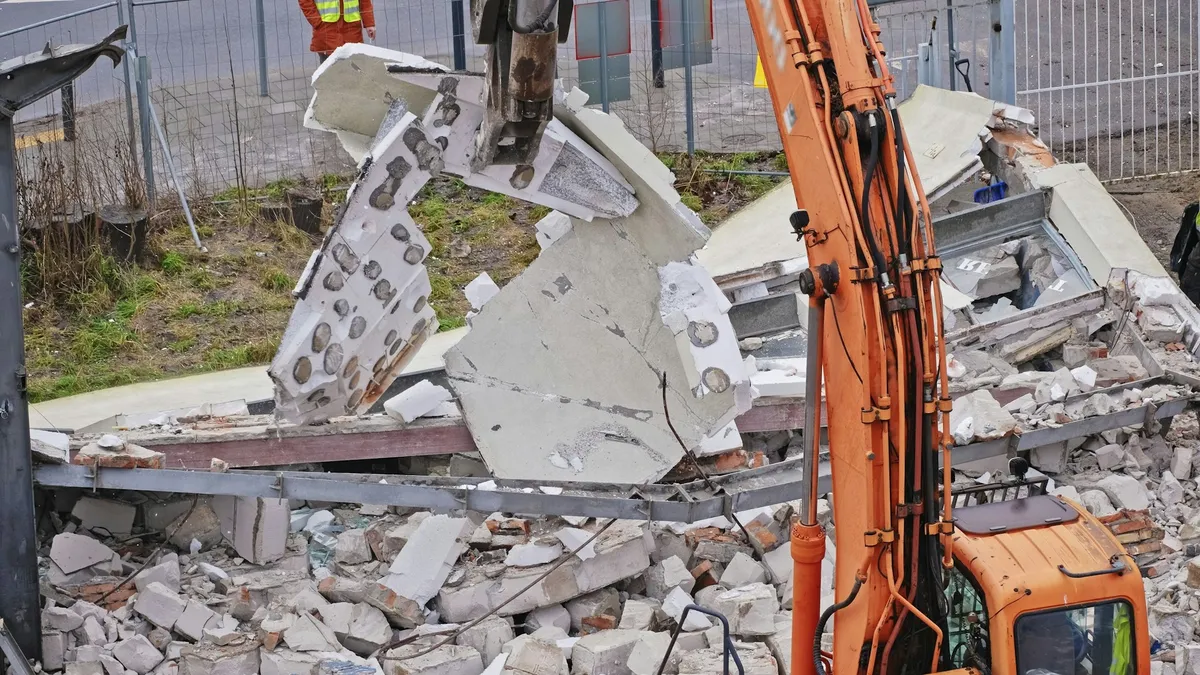
Construction Debris Starts Piling Up by Late Fall
By the end of October, a lot of construction jobs across Medina, Ohio, are either wrapping up or rushing to meet final deadlines before winter sets in. At the same time, the mess left behind tends to grow fast. Construction debris removal becomes a bigger task than expected for many homeowners, contractors, and property managers. Materials pile up along driveways and behind garages, while dumpsters reach capacity. What starts as a few scraps or a stack of boxes can quickly become a full-blown problem if it’s not cleared in time.
Late fall creates the perfect storm for buildup. As temperatures drop and crews reduce hours, the debris that’s left behind gets overlooked. That’s when it becomes harder to keep a job site safe, clean, and workable heading into colder weather.
Why Construction Debris Builds Up Near the End of Fall
We see it every year. The weeks leading into November get busy with project wrap-ups, last-minute fixes, and sudden weather changes. Cleanup doesn’t always make the cut.
Final deadlines shift the focus to completing builds or repairs, leaving cleanup tasks pushed to the side.
Unexpected cold snaps or rainstorms can delay hauling or make piles hard to manage. Materials left out in bad weather become heavier, wet, and messier.
Dumpsters fill faster than expected, especially when trash services are slower than usual. Dump permits or large item pickups often don’t line up with the tight schedules of late fall.
Once cleanup starts getting skipped, it becomes harder to keep materials organized or separated. Wood mixes with tile and insulation. Cardboard soaks up rainwater. What was manageable over time now feels overwhelming. It can also make separating recyclable waste from regular debris much harder, causing further headaches for disposal later on. At this time of year, leftover materials can quickly blend together, making it even more of a challenge to keep the site under control.
Common Types of Leftover Debris That Need Clearing
Construction messes come in more shapes and sizes than most people expect. They can go from simple to complicated in no time if not picked up fast.
Wood scraps, broken drywall, tile shards, and cut-off ends from framing tend to end up in scattered piles. These get slippery when wet and are tough to bag or move without the right tools.
Old appliances, leftover cabinets, worn counters, or toilets pulled during upgrades don’t always make it into the dumpster, especially if they were set aside or planned for later disposal.
Safety becomes a real concern when nails, glass, or sharp bits of scrap metal are left lying around. These can puncture tires, injure pets, or create tripping hazards for anyone working or walking through.
Over time, small piles tend to blend into walkways and corners, making it easy to forget they are even there. Insulation scraps, bits of wire, extra siding, and packaging can all get lost among bigger debris, posing additional risks if left for too long. If not addressed quickly, these items may blow around the site when the wind picks up or get buried by leaf litter and fall debris.
The longer this stuff sits, the more it blends into the background, making it easy to miss until someone gets hurt or a deadline arrives. This is why careful site walks before winter are so important to spot what needs to go before it gets buried or frozen in place.
Why Waiting to Remove Debris Can Be a Bigger Problem Later
Letting piles stay too long once late fall hits can turn a minor issue into a much harder job. We’ve watched weather take over more than a few work sites when debris wasn’t handled soon enough.
When snow or rain rolls in, loose debris can turn into soaked, frozen, or buried material. Sheets of drywall can collapse under weight. Boxes may tear apart. Removal takes longer and gets more expensive once everything freezes together.
Slippery walkways or hidden nails are dangerous enough during dry months, but wet or frozen conditions make them worse. Ice around piles creates hazards for workers, delivery drivers, or homeowners coming and going.
Driveways blocked by junk make moving large equipment, vehicles, or final deliveries almost impossible. Winter prep like salting, gutter checks, and seasonal inspections all get harder when space is taken up by leftover construction scraps.
When debris is left out in the open, it is more likely to create persistent messes or even blow into neighboring yards or public spaces, which can mean extra headaches for the property owner. It also makes it much tougher for plow trucks or snow blowers to work around blocked areas once bad weather starts.
Planning ahead before the first real cold snap hits can prevent these problems from snowballing into much bigger headaches. It’s easier to manage smaller loads before they turn into unmanageable situations when everything freezes or becomes waterlogged.
What to Consider When Planning Late Fall Removal
It’s one thing to know debris needs to go. It’s another to figure out when and how to make that happen before everything gets wet or frozen. A few smart steps make all the difference.
Pick-up timing matters. Waiting until the first snow falls often means limited access to trucks or blocked driveways. Booking or arranging removal earlier is just easier.
Focus on heavier and bulkier items first. Removing things like tubs, tile piles, or kitchen counters opens up room fast and helps prevent damage from moisture or freezing conditions.
Check what local trash pickup won’t take. Many services won’t remove construction waste or charge extra for certain items. Knowing this up front helps avoid wasted time and confusion.
Cold weather can also make old paint, glues, or chemicals in construction materials harder to dispose of properly. Make sure any hazardous items are separated and stored somewhere safe until they can be hauled away or disposed of according to city rules.
By treating removal like part of the project plan, not just an afterthought, we help clear the way for a smoother end-of-season transition. Regular checks prevent last-minute surprises, and including cleanup in the timeline ensures that crews are not left scrambling with frozen scraps at the last minute.
When Clean Sites Make the Biggest Difference
As November gets closer, the value of a clean site stands out more than ever. It’s not just about looks. It’s about space, safety, and a better use of time during one of the busiest parts of the year.
Clean driveways and walkways make it easier to finish winter prep like setting up snow blowers, putting out holiday decor, or covering outdoor structures.
Inside, a clear workspace or renovated room helps families or businesses get back to normal schedules without working around extra clutter or junk.
Clear space in the fall sets the tone for a better spring. Basement remodels complete in October are easier to enjoy in March when there’s no leftover trash being moved around months later.
Getting rid of messy piles also makes it easier for inspectors to finish final walk-throughs or for homeowners to spot any missed repairs. There’s less risk of damaging lawns or landscaping, too, since trash trucks or bins don’t have to be dragged across frozen ground or ice patches.
This is the time of year when small cleanups make big impacts, especially when our schedules are packed but daylight is short. By taking care of debris removal now, you set up the property for an easier transition into winter and save time that would otherwise be spent on much harder work later.
Getting Ahead Before Winter Slows Everything Down
Late October is the last real chance to get sites cleaned and debris removed before winter shuts things down. Once the ground freezes, every one of those boards, boxes, and broken pieces gets harder to lift, sort, or safely haul.
Whether the last few projects are small upgrades, big renovations, or just repairs started in summer, they deserve a clean finish. That starts with clearing the leftover materials before they freeze into place for the next few months.
Planning for pickup, organizing the biggest items first, and staying ahead of the weather makes the work faster and safer. It also keeps property ready for winter, without having to climb over piles of rotted wood or icy bins just to open a garage. Clearing now means fewer delays and a lot more peace of mind when the snow finally lands.
Getting started on cleanup before freezing weather hits can make a big difference and reduce stress throughout Medina, Ohio. When debris piles up and there’s no room left in the dumpster, it’s best to act fast before snow or ice becomes a problem. We take fall debris cleanup seriously because we know delays can lead to bigger headaches later. For safe, efficient construction debris removal, reach out to High Standard Hauling & Junk Removal today.
